“Protesters” is the standard spelling, while “protestors” is less common but also correct.
Have you ever wondered whether to write “protesters” or “protestors” in an article, email, or social media post? This is a common question because both words are correct, but one is far more commonly used. Choosing the right spelling can make your writing look professional and polished.
Protesters refers to people publicly demonstrating or expressing objection, e.g., “The protesters gathered outside the city hall.”
Protestors is an alternative spelling that is recognized but less frequent in modern English.
People search for “protesters or protestors” to ensure proper usage in news, academic writing, and journalism. The confusion arises because English allows some flexibility in spelling, and both words appear in dictionaries. Knowing which version is standard helps avoid stylistic mistakes and ensures your writing aligns with most readers’ expectations.
In this article, we’ll give a quick answer, explore the origin, compare British vs American usage, highlight mistakes, provide everyday examples, and show which spelling is preferred for different audiences. By the end, you’ll confidently know which form to use.
Protesters or Protestors – Quick Answer
| Word | Meaning | Example |
| Protesters | People publicly demonstrating | “The protesters marched peacefully.” |
| Protestors | Alternative spelling of protesters | “The protestors demanded change.” |
Tip: Protesters is far more common; use it unless you prefer the less common protestors.
The Origin of Protesters or Protestors
- Both words come from the verb protest, which means to express objection or disapproval.
- Protester emerged in the 19th century as the standard form.
- Protestor is a variant influenced by the “-or” ending in words like “actor” and “sailor.”
- The spelling difference is mostly stylistic; meaning remains identical.
British English vs American English Spelling
| Word | British English | American English | Example |
| Protesters | protesters | protesters | “The protesters rallied in London.” |
| Protestors | protestors | protestors | “The protestors demanded reform.” |
✅ Observation: Both spellings are correct in the UK and US, but protesters dominates usage in journalism and official writing.
Which Spelling Should You Use?
- Protesters → Preferred in most contexts: news, formal writing, online media.
- Protestors → Acceptable as an alternative but less common.
Audience tip:
- US and UK writers: Use protesters for clarity and standardization.
- Global audience: Stick with protesters to align with common usage.
Common Mistakes with Protesters or Protestors
| Mistake | Correct Version | Why It’s Wrong |
| “Many protestors gathered today.” | “Many protesters gathered today.” | Less common, may appear informal |
| “The protesters demanded action.” | Correct | Often spelled incorrectly as protestors |
| “Protesters/Protestors are active.” | “Protesters are active.” | Avoid using both; choose standard |
Protesters or Protestors in Everyday Examples
Emails:
- “The protesters outside the office caused traffic delays.”
- “Please report on the protesters’ demands accurately.”
News Articles:
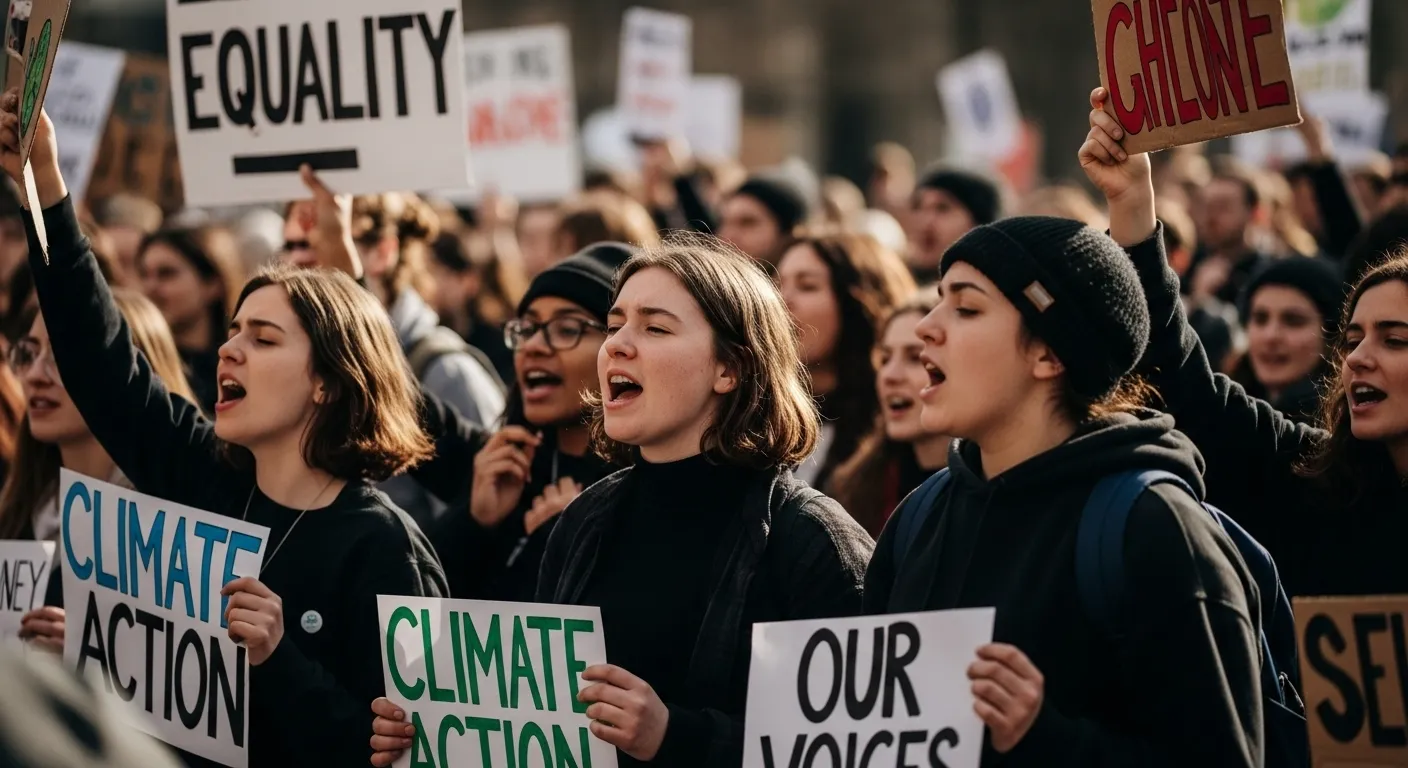
- “Thousands of protesters joined the climate strike.”
- “The protestors blocked the main highway during the demonstration.”
Social Media:
- “The protesters made their voices heard today!”
- “Stay updated on the protesters’ actions.”
Formal Writing:
- “The committee observed the actions of protesters carefully.”
- “Academic papers often refer to protesters in historical movements.”
Protesters or Protestors – Google Trends & Usage Data
- Protesters overwhelmingly outperforms protestors in searches worldwide.
- Top countries: United States, UK, Canada, Australia, India.
- Context: Mostly used in news reporting, political commentary, and social studies.
Comparison Table: Protesters vs Protestors
| Feature | Protesters | Protestors |
| Meaning | People demonstrating | Same meaning |
| Pronunciation | ˈproʊˌtɛstərz | ˈproʊˌtɛstərz |
| Usage | Standard, preferred | Alternative, less common |
| Common Mistake | Using protestors in formal writing | Using both interchangeably |
FAQs
1. Is “protesters” American or British English?
Both; it is the standard spelling worldwide.
2. Can “protestors” be used in formal writing?
Yes, but it is less common and may appear nonstandard.
3. Are “protesters” and “protestors” pronounced differently?
No, they are pronounced the same.
4. Which spelling is more common in news media?
Protesters is overwhelmingly preferred in journalism.
5. Can both spellings be used interchangeably?
Yes, but using protesters avoids confusion.
6. Are there historical examples of “protestors”?
Yes, older texts and some newspapers occasionally used protestors, but it is rare today.
7. How can I remember the difference?
Stick with protesters for standard usage; think -er endings are more common for people.
Conclusion
Confusing protesters and protestors is easy, but knowing the standard usage ensures professional and clear writing. Protesters is the dominant spelling in journalism, formal writing, and online content, while protestors is an acceptable but less common variant.
Both words mean people demonstrating or expressing objection, so the key is picking the version most widely recognized by readers. Using protesters avoids confusion and aligns your writing with modern English usage.
Remember: When referring to people taking part in demonstrations, marches, or rallies, protesters is your safest choice. Using the correct form makes your writing appear polished, authoritative, and credible, whether in articles, social media, or academic papers. Keeping this distinction in mind will prevent mistakes and ensure clarity in all your communications.
Usable or Useable: Correct Spelling & Usage Guide

Hi, I’m Liam Rivers, author at Engglory.com.
I’m an English grammar expert who simplifies spelling confusion and tricky grammar rules to help readers write and speak with confidence.