Optimisation or Optimization: Which Spelling Is Correct? UK vs USA

“Optimization” is the American English spelling, while “Optimisation” is the British English spelling. Both mean the same thing. Have you ...
Read more
Scarred or Scared: What’s the Difference?
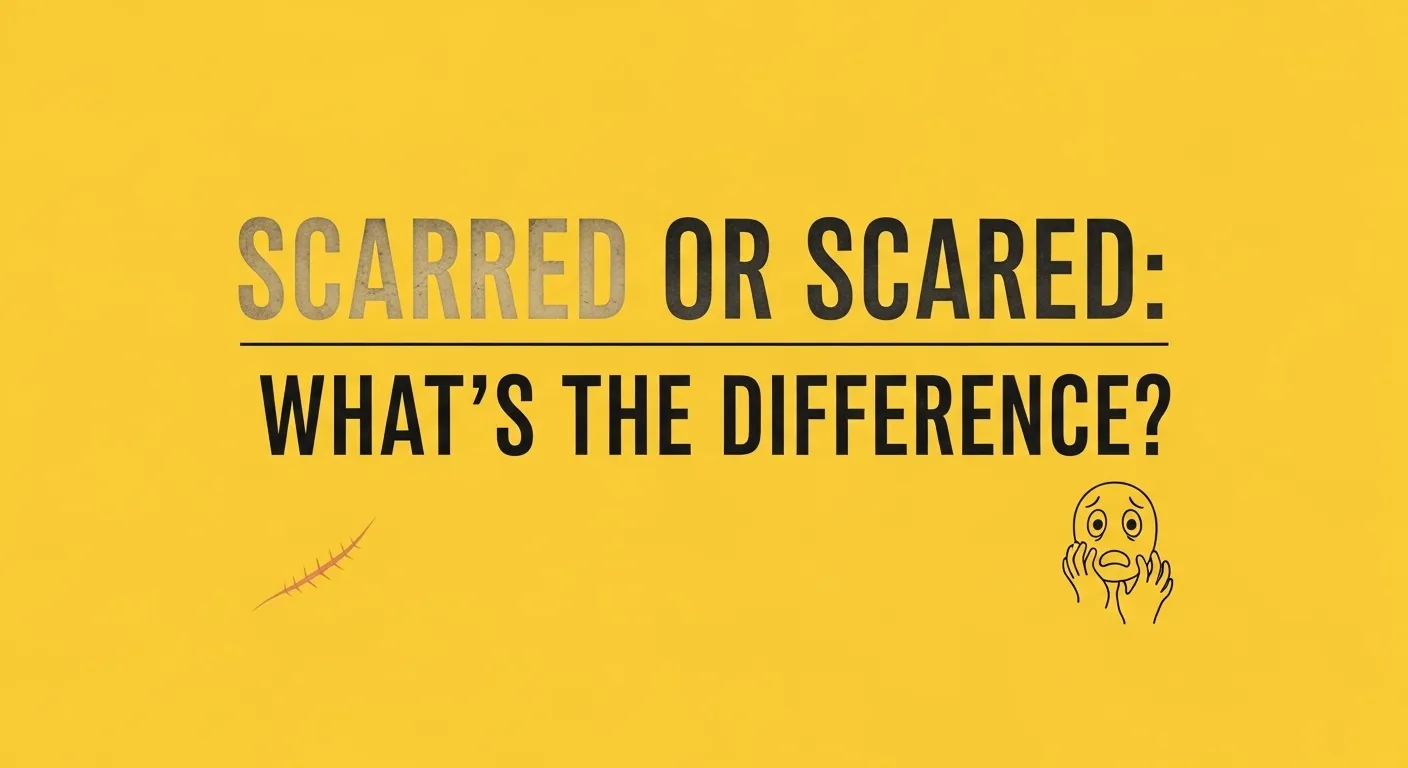
Scarred means marked by a wound or emotional trauma, while scared means feeling afraid or frightened. Many English learners and ...
Read more
Rather or Whether: What’s the Difference? 2026✅
“Rather” shows preference or choice, while “whether” is used to talk about a condition, option, or possibility between alternatives. English ...
Read more
Assure or Ensure: What’s the Difference? Guide For 2026 ✅

Assure is used for people to give confidence, while ensure is used for actions to make something certain. Many English ...
Read more
Breech or Breach: What’s the Difference? Usage Guide foe 2026
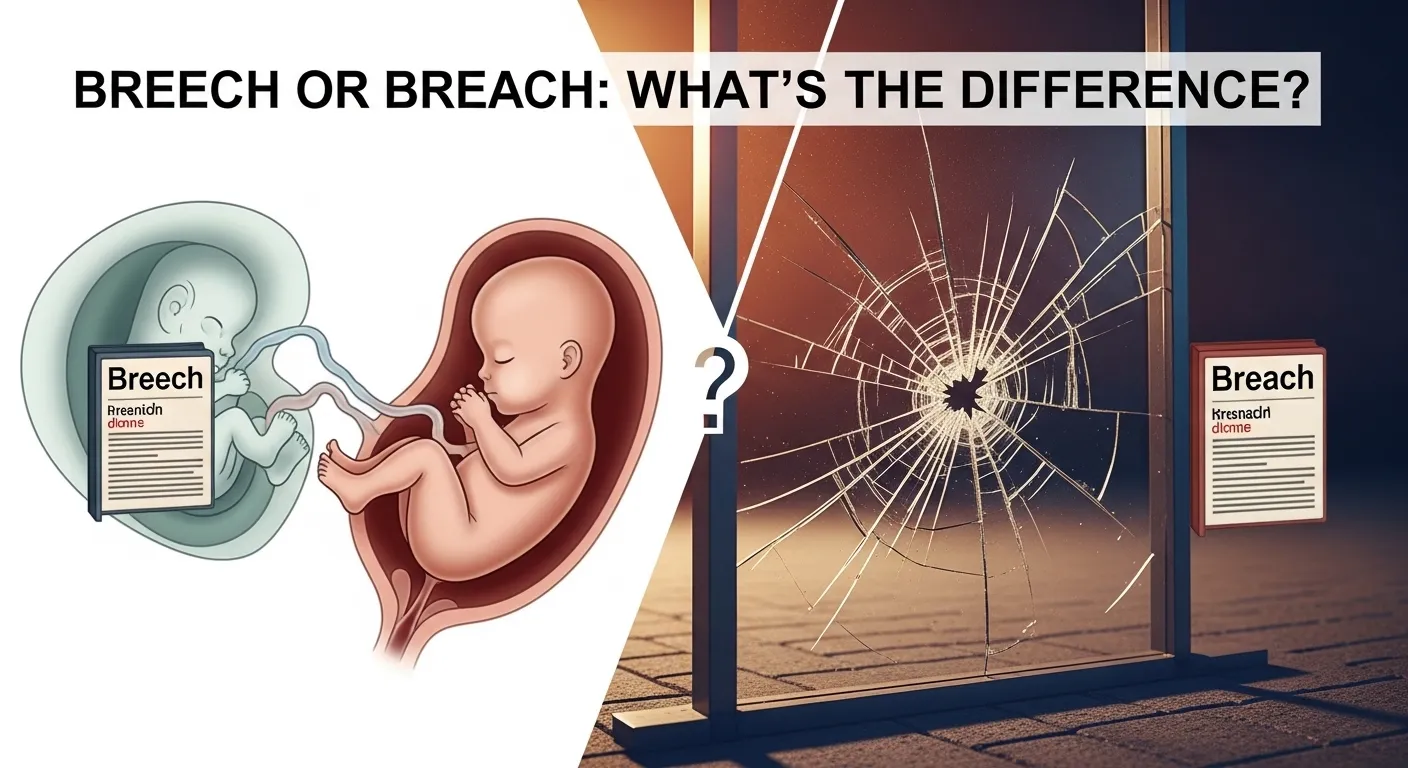
Breach means a break, gap, or violation (security breach). Breech refers to the rear part of something, often in childbirth ...
Read more
Faze or Phase? Correct Usage Explained For 2026

Phase means a stage or step in a process. Faze means to disturb or upset someone. They are different words ...
Read more
Acknowledgements or Acknowledgments: Correct Spelling (UK vs US)
Both “acknowledgements” and “acknowledgments” are correct.Acknowledgments is preferred in American English, while acknowledgements is common in British English. You finish ...
Read more
Angle or Angel: What’s the Difference?
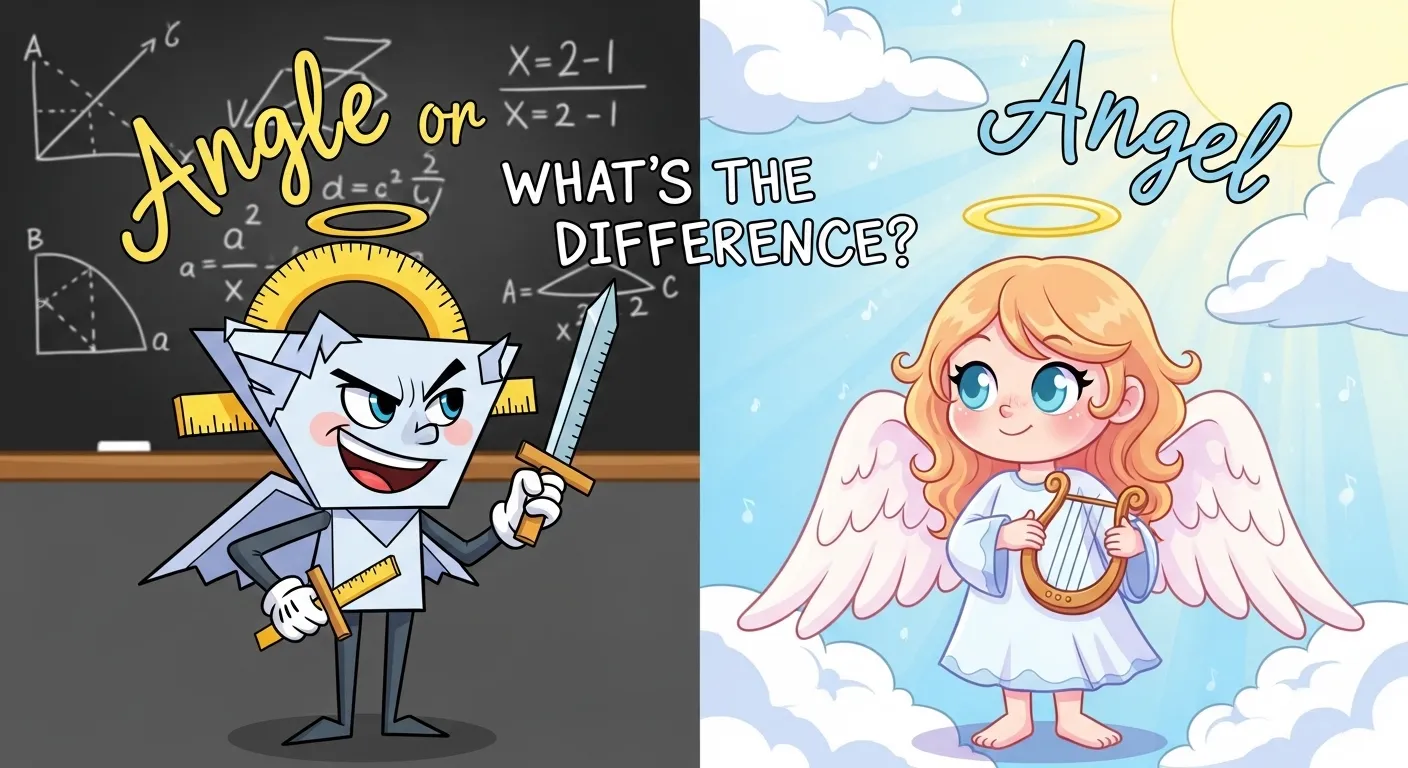
Angle means a corner, degree, or viewpoint. Angel means a spiritual being or a kind person. The words sound similar ...
Read more
Alumn or Alum: What’s the Correct Word to Use?

Alumn is a formal Latin term for a male graduate, while alum is a modern, informal short form used for ...
Read more
Tryed or Tried: Which Spelling Is Correct? 2026
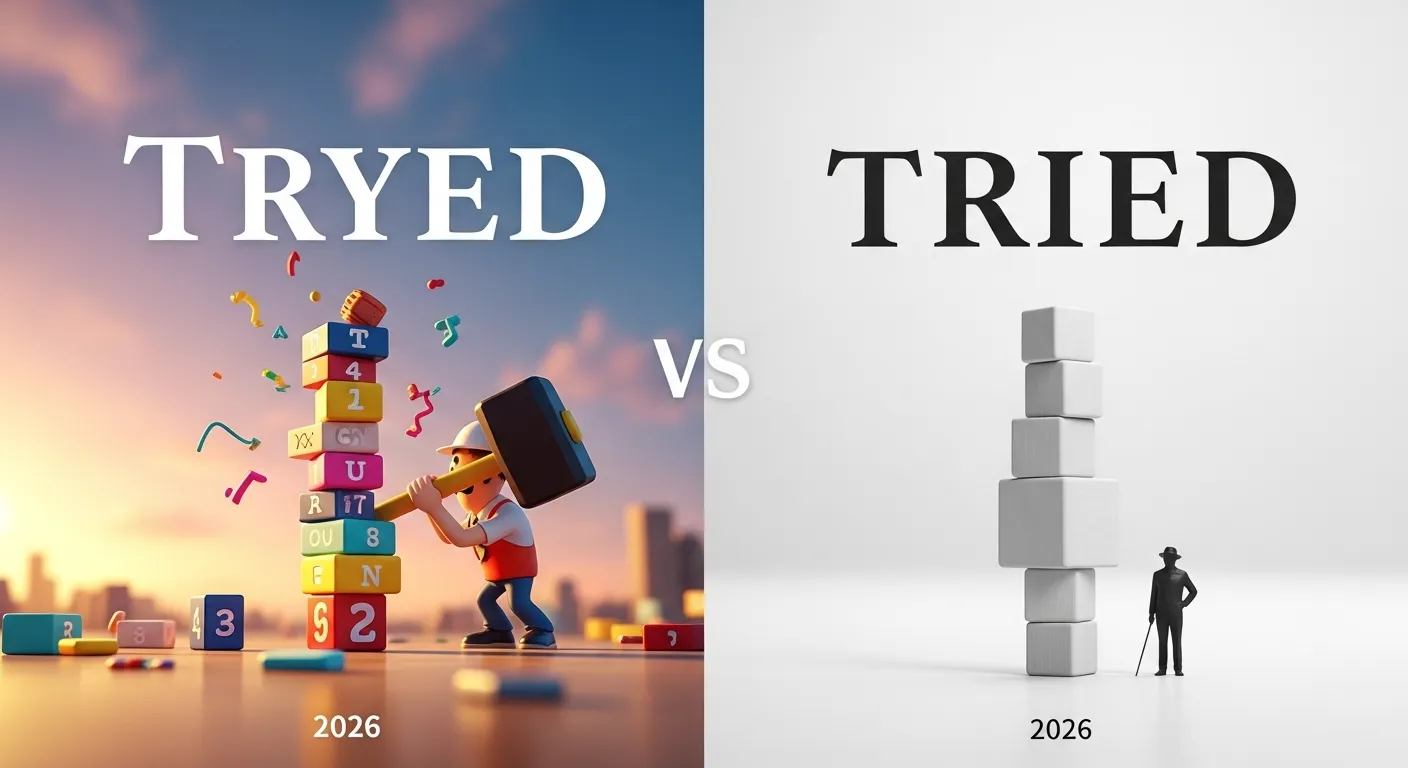
The correct spelling is “tried”; “tryed” is a common mistake and not a real English word. Have you ever written ...
Read more